Blog

  • Szybkie metody na bonusy w Vavada bez ryzyka


    Szybkie sposoby na bonusy w Vavada bez ryzyka


    Szybkie metody na bonusy w Vavada bez ryzyka

    Aby szybko i bez obaw zwiększyć swoje szanse na dodatkowe fundusze, skoncentruj się na promocyjnych ofertach i programach lojalnościowych. Regularne sprawdzanie sekcji z promocjami na stronie może przynieść zaskakujące efekty. Kluczowe jest, aby znać zasady każdej akcji oraz wymagania dotyczące obrotu, co pozwoli uniknąć przykrych niespodzianek.

    Warto również skorzystać z opcji powitalnych, które mogą dostarczyć nie tylko środki do gry, ale także darmowe obroty. Rekomenduję zalogować się na stronie, aby uzyskać dostęp do najnowszych ofert. Więcej informacji możesz znaleźć, korzystając z vavada login, co pozwoli na lepsze poznanie dostępnych akcji oraz ich szczegółowych warunków.

    Nie zapominaj o promocjach referencyjnych, które umożliwiają zdobycie dodatków za zapraszanie znajomych. Dzięki takim możliwościom zyskasz możliwość korzystania z dodatkowych funduszy, które wzbogacą twoje doświadczenia. Zastosowanie tych metod przełoży się na zwiększenie szans na sukces i satysfakcję z gry.

    Jak wykorzystać promocje dla nowych graczy w Vavada?

    Wszystko zaczyna się od rejestracji. Nowi użytkownicy powinni skorzystać z oferty powitalnej, która często obejmuje atrakcyjne dodatki. Zarejestruj się z wykorzystaniem aktualnych kodów promocyjnych, aby zwiększyć wartość startowego kapitału. Sprawdź, jakie warunki są do spełnienia, aby aktywować tę ofertę.

    Zrozumienie warunków promocji

    Analizowanie zasad korzystania z promocji jest kluczem do sukcesu. Upewnij się, że zapoznałeś się z regulaminem, który zawiera informację na temat wymagań dotyczących obrotu czy ograniczeń czasowych. Wiedza o tych wymaganiach pozwoli lepiej zaplanować działania w serwisie.

    Warto również zwrócić uwagę na dostępne turnieje i oferty czasowe. Często można znaleźć wydarzenia z nagrodami, które dodatnio wpływają na konto gracza. Uczestnicząc w takich inicjatywach, zwiększasz swoje szanse na dodatkowe zyski.

    Korzystanie z programów lojalnościowych

    Nie zapomnij o programach lojalnościowych. Regularna aktywność w portalu może przynieść cenne nagrody i benefity. Upewnij się, że zbierasz punkty lojalnościowe, które można wymienić na wartościowe nagrody lub dodatkowe środki na koncie.

    Warto śledzić również komunikację od serwisu – subskrybuj newsletter i obserwuj profile w mediach społecznościowych. Czasami pojawiają się ekskluzywne oferty dla stałych graczy, mogące przynieść znaczące korzyści.

    Zaplanowane sesje gier mogą wpłynąć na skuteczność realizacji strategii. Wykorzystaj czas na grę mądrze, wybieraj tytuły, które najlepiej odpowiadają Twoim preferencjom. Pozwoli to na zminimalizowanie ewentualnych strat, a zwiększy szansę na sukces. Przemyślana strategia wzmacnia efekty działania w serwisie.

    Gdzie znaleźć najlepsze oferty bonusowe bez depozytu?

    Warto śledzić strony porównawcze, które oferują szczegółowe zestawienia ofert promocyjnych. Specjalizowane portale często aktualizują swoje informacje, co pozwala na uzyskanie dostępu do najnowszych propozycji bez potrzeby wpłaty. Można również zapisać się na newslettery kasyn online, aby otrzymywać powiadomienia o atrakcyjnych promocjach w czasie rzeczywistym. Przydatne mogą okazać się także fora i społeczności graczy, gdzie użytkownicy dzielą się swoimi odkryciami oraz doświadczeniami.

    Wykorzystywanie kodów promocyjnych zamieszczonych na stronach afiliacyjnych jest kolejną opcją, by zdobyć oferty, które nie wymagają inwestycji. Używanie narzędzi analitycznych i aplikacji mobilnych ułatwia monitorowanie aktualnych akcji oraz porównywanie warunków, co przyspiesza uzyskanie najlepszych ofert. Dzięki tym krokom można w pełni korzystać z możliwości, jakie dają kasyna online od samego początku.

    Jak maksymalizować korzyści z bonusów lojalnościowych?

    Przede wszystkim, korzystaj z promocji dostępnych dla stałych klientów. Często operatorzy oferują wyjątkowe zachęty, takie jak zwiększone stawki na konkretne gry. Sprawdzaj regularnie, aby nie przegapić atrakcyjnych ofert.

    • Rejestruj się do newsletterów. Wiele platform wysyła ekskluzywne oferty tylko dla subskrybentów.
    • Uczestnicz w programach lojalnościowych, aby zdobywać punkty, które można później wymienić na nagrody lub gotówkę.

    Analizuj warunki korzystania z różnych ofert. Zrozumienie wymagań stawianych przez operatora, takich jak minimalne obroty, pozwoli lepiej planować korzystanie z dostępnych okazji.

    1. Przed skorzystaniem, dokładnie czytaj regulaminy oraz zasady korzystania z oferty.
    2. Obliczaj, które oferty mogą przynieść największe zyski w dłuższym okresie. Czasami atrakcyjniejsza wydaje się oferta, która wymaga większych obrotów, ale przynosi większe korzyści.

    Wykorzystuj różnorodne metody doładowania. Niektóre metody płatności mogą oferować dodatkowe nagrody za wpłaty. Zmiana metody płatności może zatem przynieść dodatkowe korzyści.

    • Korzystaj z okazji do udziału w turniejach, które oferują dodatkowe nagrody dla najlepszych graczy.
    • Śledź promocje sezonowe, które często wiążą się z większymi bonusami.

    Stwórz plan gry, który pomoże w efektywnym korzystaniu z przedłużonych ofert. Ustalenie limitów na wydatki oraz przerwy w grze pozwoli cieszyć się rozrywką dłużej i zyskać więcej.


  • HIGH-CONSISTENCY RUBBER PROVIDES VERSATILITY FOR MEDICAL DEVICE MANUFACTURING

    HIGH-CONSISTENCY RUBBER PROVIDES VERSATILITY FOR MEDICAL DEVICE MANUFACTURING

    [fusion_builder_container hundred_percent=”no” hundred_percent_height=”no” hundred_percent_height_scroll=”no” hundred_percent_height_center_content=”yes” equal_height_columns=”no” menu_anchor=”” hide_on_mobile=”small-visibility,medium-visibility,large-visibility” status=”published” publish_date=”” class=”” id=”” background_color=”” background_image=”” background_position=”center center” background_repeat=”no-repeat” fade=”no” background_parallax=”none” enable_mobile=”no” parallax_speed=”0.3″ video_mp4=”” video_webm=”” video_ogv=”” video_url=”” video_aspect_ratio=”16:9″ video_loop=”yes” video_mute=”yes” video_preview_image=”” border_size=”” border_color=”” border_style=”solid” margin_top=”0px” margin_bottom=”” padding_top=”” padding_right=”” padding_bottom=”” padding_left=””][fusion_builder_row][fusion_builder_column type=”1_1″ layout=”1_1″ spacing=”” center_content=”no” link=”” target=”_self” min_height=”” hide_on_mobile=”small-visibility,medium-visibility,large-visibility” class=”” id=”” background_image_id=”” background_color=”” background_image=”” background_position=”left top” undefined=”” background_repeat=”no-repeat” hover_type=”none” border_size=”0″ border_color=”” border_style=”solid” border_position=”all” border_radius_top_left=”” border_radius_top_right=”” border_radius_bottom_left=”” border_radius_bottom_right=”” box_shadow=”no” box_shadow_vertical=”” box_shadow_horizontal=”” box_shadow_blur=”0″ box_shadow_spread=”0″ box_shadow_color=”” box_shadow_style=”” padding_top=”” padding_right=”” padding_bottom=”” padding_left=”” margin_top=”0px” margin_bottom=”0px” animation_type=”” animation_direction=”left” animation_speed=”0.3″ animation_offset=”” last=”no”][fusion_title hide_on_mobile=”small-visibility,medium-visibility,large-visibility” class=”” id=”” content_align=”left” size=”6″ font_size=”13px” line_height=”” letter_spacing=”” margin_top=”0px” margin_bottom=”40px” margin_top_mobile=”” margin_bottom_mobile=”” text_color=”#8f919b” style_type=”default” sep_color=””]

    This article was written by Brian Reilly, Business Development Director, Biomaterials for NuSil™–part of Avantor®
    https://www.medicaldesignbriefs.com/component/content/article/mdb/features/articles/34001®

    [/fusion_title][fusion_text columns=”” column_min_width=”” column_spacing=”” rule_style=”default” rule_size=”” rule_color=”” hide_on_mobile=”small-visibility,medium-visibility,large-visibility” class=”” id=””]

    [fusion_dropcap boxed=”yes” boxed_radius=”” class=”” id=”” color=””]W[/fusion_dropcap]ith more insight about the characteristics of this versatile silicone material, medical device manufacturers can better understand potential applications and considerations for selecting and using high-consistency rubbers in medical devices. High-consistency rubber silicone (HCR) is a versatile material with a long history of use in medical devices and other industries. Commonly found in a wide variety of end-use applications, such as tubing, balloons, sheeting, and some molded parts, HCRs consist of a high molecular weight polymer combined with silica to produce a silicone that has a clay-like consistency in its uncured form.

    [/fusion_text][fusion_title hide_on_mobile=”small-visibility,medium-visibility,large-visibility” class=”” id=”” content_align=”left” size=”3″ font_size=”” line_height=”” letter_spacing=”” margin_top=”” margin_bottom=”” margin_top_mobile=”” margin_bottom_mobile=”” text_color=”#c1000a” style_type=”default” sep_color=””]

    SILICONE AND HCRS IN MEDICAL DEVICES

    [/fusion_title][fusion_text columns=”” column_min_width=”” column_spacing=”” rule_style=”default” rule_size=”” rule_color=”” hide_on_mobile=”small-visibility,medium-visibility,large-visibility” class=”” id=””]

    Medical device manufacturers often choose silicone for use in components and devices because of its established biocompatibility pedigree, broad processing parameter ranges, and excellent physical properties. One of the earliest uses of HCRs was to create an implantable hydrocephalus shunt. Since that time, HCR use has expanded into a vast number of medical applications: both implanted and not.
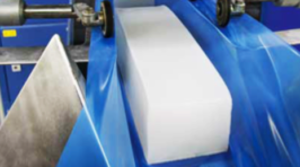
    One of the key appealing characteristics of HCR is its versatility. HCRs can be processed using different types of fabrication methods, including extrusion, calendering, and compression or transfer molding. Compared to other silicone products such as liquid silicone rubber (LSR), HCRs are generally stronger materials with more robust physical properties.

    Another key aspect that’s appealing about HCRs is their proven history of use in countless approved implant and non-implant applications. This heritage makes it easier for medical device manufacturers to consider using HCRs for new devices or new generations of existing devices.

    [/fusion_text][fusion_title hide_on_mobile=”small-visibility,medium-visibility,large-visibility” class=”” id=”” content_align=”left” size=”3″ font_size=”” line_height=”” letter_spacing=”” margin_top=”” margin_bottom=”” margin_top_mobile=”” margin_bottom_mobile=”” text_color=”#c1000a” style_type=”default” sep_color=””]VERSATILITY IN HCRS[/fusion_title][fusion_text columns=”” column_min_width=”” column_spacing=”” rule_style=”default” rule_size=”” rule_color=”” hide_on_mobile=”small-visibility,medium-visibility,large-visibility” class=”” id=””]

    The physical properties and process considerations of HCRs are important to understand along with the advantages that both peroxide- and platinum-catalyzed solutions provide.

    A key advantage of peroxide-catalyzed systems is that their curing mechanism – the cross-linking of polymers to cure the HCR – is not initiated until the HCR is exposed to heat. This means that the HCR has a very long work time which is beneficial for molding or extrusion. Larger, more intricate parts may benefit from delayed cure initiations as more time is required to fill the mold. Conversely, operations involving smaller, simpler parts may benefit from faster cure for greater throughput. Silicone HCRs can be tailored to adjust the cure rate to a given temperature for optimal performance. One consideration to be aware of is that the peroxide-catalyzed systems call for a post-curing process to remove residual byproducts.

    The “random” cross-linking of peroxide-cure HCRs provides unique elastomeric properties that can be useful in balloons, or similar applications where “tension set” is an important property. If a balloon needs the ability to be inflated and then, when deflated, to return to its original shape, a peroxide-cure HCR may provide the best solution. Similarly, in peristaltic pump applications, the silicone tubing may be faced with cycles of repeated compression and relief.

    Platinum-catalyzed systems typically consist of a Part A component, which contains the platinum catalyst, and a Part B portion that contains hydride-functional cross-linkers and cure inhibitors. Once the two parts are combined, the HCR retains its pre-cure consistency for one to two hours. A key advantage of using platinum-catalyzed HCRs is the ability to heat-accelerate the cure, allowing for faster cure times and increased throughput with the added benefit of no corrosive byproducts. Platinum-catalyzed HCRs typically yield much higher physical properties than traditional peroxide-catalyzed HCRs, which may be valuable for specific medical device applications that use molded or extruded components.

    [/fusion_text][fusion_title hide_on_mobile=”small-visibility,medium-visibility,large-visibility” class=”” id=”” content_align=”left” size=”3″ font_size=”” line_height=”” letter_spacing=”” margin_top=”” margin_bottom=”” margin_top_mobile=”” margin_bottom_mobile=”” text_color=”#c1000a” style_type=”default” sep_color=””]HCR PROCESSING FOR MEDICAL DEVICE FABRICATION[/fusion_title][fusion_text columns=”” column_min_width=”” column_spacing=”” rule_style=”default” rule_size=”” rule_color=”” hide_on_mobile=”small-visibility,medium-visibility,large-visibility” class=”” id=””]

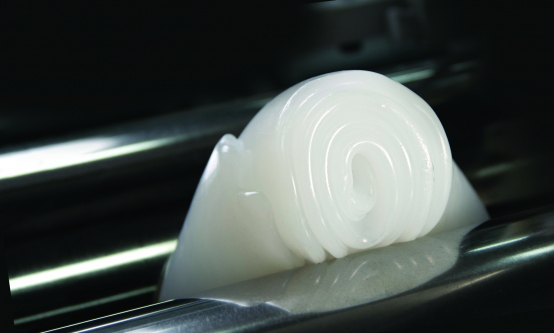
    It is helpful to know that when using HCRs, certain steps must be taken depending on the fabrication methods. For example, prior to molding or extruding, HCRs need to be processed with a two-roll mill. The mill softens and mixes the material on cylinders spinning in opposite directions at slightly different speeds to impart shear to the material. This modifies the consistency of the HCR, making it softer and able to flow more easily through the die or into the intricate area of the mold.

    If the HCR is a two-part material, Parts A and B need to be separately softened on a cooled mill before being combined. This ensures that the heat of milling does not prematurely trigger curing once the two parts are combined. If the HCR is a one-part material, it will also need to be softened on the mill prior to use.
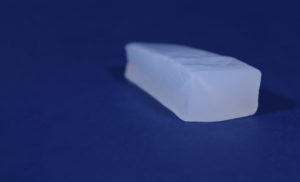
    Different end-use applications call for different fabrication methods. For example, if a device manufacturer is producing a Foley catheter, or another medical device that incorporates silicone tubing, the most efficient method of production would be extrusion. Once the processing method is established, there are further, more specific requirements associated with the tubing that need to be determined: What properties should the tube have? Does it need to be soft and flexible, or stiff and rigid? Is there a tensile strength or modulus requirement? These and other factors can help decide whether a device is produced using a peroxide cure or platinum-cure system.

    The broad processing parameters of silicone elastomers make them ideal for molding. For molded products, like hydrocephalic shunts, consideration needs to be given to the performance of the valve mechanism in the shunt. With this type of molded product, the device manufacturer will seek to select an HCR that can reliably provide the proper modulus, tension set and other elastomeric properties to ensure the valve functions properly.

    HCRs are often calendered into flat sheets that may be die cut. A major application for this type of processing method is a gasket used as a seal in the overall medical device. By using a peroxide-cure HCR, it’s possible to create gaskets that have self-adhering properties. If stored properly, an uncured peroxide HCR sheet has almost infinite shelf life. A supplier could fabricate the sheet, package it and ship it to another manufacturer who die-cuts the gaskets which are pressed in place and then cured to provide the complete seal.

    [/fusion_text][fusion_title hide_on_mobile=”small-visibility,medium-visibility,large-visibility” class=”” id=”” content_align=”left” size=”3″ font_size=”” line_height=”” letter_spacing=”” margin_top=”” margin_bottom=”” margin_top_mobile=”” margin_bottom_mobile=”” text_color=”#c1000a” style_type=”default” sep_color=””]KEY FACTORS FOR USING HCRS[/fusion_title][fusion_text columns=”” column_min_width=”” column_spacing=”” rule_style=”default” rule_size=”” rule_color=”” hide_on_mobile=”small-visibility,medium-visibility,large-visibility” class=”” id=””]

    The versatile material properties, processing features, and cure options that HCRs offer make them well-suited for a broad range of medical device applications. There are several factors that device designers and fabricators should consider when choosing HCRs for their next project.

    Integration/interaction with other materials: One of the advantages that HCRs offer is the ability to incorporate additives into the formulation prior to curing for special medical device purposes. For example, some device manufacturers may seek to use additives, such as colorants, radiopaque fillers, antimicrobial agents, or even active pharmaceutical ingredients (APIs) into the device.

    It’s also important to consider how these additives or other materials within the medical device interact with the silicone material and the molding process, in terms of chemical and mechanical behavior. If any of the additives are temperature-sensitive (i.e., degrade after exposure to high temperatures) or adversely interact with formulary components resulting in an incomplete cure, the silicone supplier may be able to provide custom solutions to address the issue.

    It is essential to avoid cross contamination. Platinum-cured HCRs, like other platinum-cured silicones, can be negatively impacted by chemicals that may come into contact with the silicone prior to curing. These contaminants can partially or completely inhibit the platinum-catalyzed cure system. Most inhibitors typically have a sulfur-containing material (e.g., natural rubber, latex and neoprene), a nitrogen-containing material (e.g., amines) or an organotin-containing material (e.g., condensation-cured silicones). In order to prevent contamination, clean manufacturing practices should be followed. This includes having dedicated instruments like spatulas for subdividing HCR and cleaning all surfaces between uses.

    Flexibility in HCRs is equally important. Since no two medical devices or fabrication processes are exactly the same, leading-edge silicone providers will have solutions that provide greater flexibility for the manufacturing process. NuSil, for example, offers a three-part optimization system that device manufacturers can use to modify the material on the production floor. Device engineers can optimize process requirements, such as work time and cure profile, by varying the ratios of three components, rather than modifying their production systems and equipment to match the HCR’s properties.

    [/fusion_text][fusion_title hide_on_mobile=”small-visibility,medium-visibility,large-visibility” class=”” id=”” content_align=”left” size=”3″ font_size=”” line_height=”” letter_spacing=”” margin_top=”” margin_bottom=”” margin_top_mobile=”” margin_bottom_mobile=”” text_color=”#c1000a” style_type=”default” sep_color=””]FINAL CONSIDERATIONS FOR HCR SELECTION[/fusion_title][fusion_text columns=”” column_min_width=”” column_spacing=”” rule_style=”default” rule_size=”” rule_color=”” hide_on_mobile=”small-visibility,medium-visibility,large-visibility” class=”” id=””]

    There is a great advantage gained when working with a silicone supplier with extensive experience providing HCRs to the medical device community. Material suppliers that can demonstrate expertise in working with regulatory authorities, along with a focus on supplying materials specifically for medical device applications, can help clear regulatory hurdles efficiently.

    Important credentials to consider when evaluating suppliers include whether they have a robust quality system with ISO 9001 certification, deep knowledge of ISO 13485 quality management requirements for medical systems, and experience with the U.S. Food and Drug Administration (FDA) Master File submissions (MAFs).

    And, while FDA’s 21 CFR Part 820 Quality System Regulations for Medical Device Current Good Manufacturing Practices (cGMP) only recommend that a material supplier or parts manufacturer meets its outlined requirements, a medical device manufacturer should work with a partner that can provide support throughout the entire design and regulatory submission process. A materials partner that has established relationships with regulatory bodies can prove invaluable and save a device manufacturer time and money, while navigating the path of getting a device to market.

    [/fusion_text][fusion_separator style_type=”default” hide_on_mobile=”small-visibility,medium-visibility,large-visibility” class=”” id=”” sep_color=”” top_margin=”30px” bottom_margin=”15px” border_size=”” icon=”” icon_circle=”” icon_circle_color=”” width=”82%” alignment=”left” /][fusion_title hide_on_mobile=”small-visibility,medium-visibility,large-visibility” class=”” id=”” content_align=”left” size=”6″ font_size=”16px” line_height=”” letter_spacing=”” margin_top=”” margin_bottom=”” margin_top_mobile=”” margin_bottom_mobile=”” text_color=”#8f919b” style_type=”default” sep_color=””]

    This article was written by Brian Reilly, Business Development Director, Biomaterials for NuSil™–part of Avantor®

    [/fusion_title][fusion_text columns=”” column_min_width=”” column_spacing=”” rule_style=”default” rule_size=”” rule_color=”” hide_on_mobile=”small-visibility,medium-visibility,large-visibility” class=”” id=””]

    https://www.medicaldesignbriefs.com/component/content/article/mdb/features/articles/34001

    [/fusion_text][/fusion_builder_column][/fusion_builder_row][/fusion_builder_container]
  • SPECIALTY ELASTOMERS MARKET TO 2023: TOP 10 COMPANIES, TRENDS, GROWTH FACTORS, GLOBAL INDUSTRY OVERLOOK DURING FORECAST PERIOD

    SPECIALTY ELASTOMERS MARKET TO 2023: TOP 10 COMPANIES, TRENDS, GROWTH FACTORS, GLOBAL INDUSTRY OVERLOOK DURING FORECAST PERIOD

    [fusion_builder_container hundred_percent=”no” hundred_percent_height=”no” hundred_percent_height_scroll=”no” hundred_percent_height_center_content=”yes” equal_height_columns=”no” menu_anchor=”” hide_on_mobile=”small-visibility,medium-visibility,large-visibility” status=”published” publish_date=”” class=”” id=”” background_color=”” background_image=”” background_position=”center center” background_repeat=”no-repeat” fade=”no” background_parallax=”none” enable_mobile=”no” parallax_speed=”0.3″ video_mp4=”” video_webm=”” video_ogv=”” video_url=”” video_aspect_ratio=”16:9″ video_loop=”yes” video_mute=”yes” video_preview_image=”” border_size=”” border_color=”” border_style=”solid” margin_top=”0px” margin_bottom=”” padding_top=”” padding_right=”” padding_bottom=”” padding_left=””][fusion_builder_row][fusion_builder_column type=”1_1″ layout=”1_1″ spacing=”” center_content=”no” link=”” target=”_self” min_height=”” hide_on_mobile=”small-visibility,medium-visibility,large-visibility” class=”” id=”” background_image_id=”” background_color=”” background_image=”” background_position=”left top” undefined=”” background_repeat=”no-repeat” hover_type=”none” border_size=”0″ border_color=”” border_style=”solid” border_position=”all” border_radius_top_left=”” border_radius_top_right=”” border_radius_bottom_left=”” border_radius_bottom_right=”” box_shadow=”no” box_shadow_vertical=”” box_shadow_horizontal=”” box_shadow_blur=”0″ box_shadow_spread=”0″ box_shadow_color=”” box_shadow_style=”” padding_top=”” padding_right=”” padding_bottom=”” padding_left=”” margin_top=”0px” margin_bottom=”0px” animation_type=”” animation_direction=”left” animation_speed=”0.3″ animation_offset=”” last=”no”][fusion_title hide_on_mobile=”small-visibility,medium-visibility,large-visibility” class=”” id=”” content_align=”left” size=”6″ font_size=”13px” line_height=”” letter_spacing=”” margin_top=”0px” margin_bottom=”40px” margin_top_mobile=”” margin_bottom_mobile=”” text_color=”#8f919b” style_type=”default” sep_color=””]

    MAY 29, 2018 (Heraldkeeper via Comtex)
    specialty-elastomers-market-to-2023-top-10-companies-trends-growth-factors-global-industry-overlook-during-forecast-period-2018-05-29

    [/fusion_title][fusion_text columns=”” column_min_width=”” column_spacing=”” rule_style=”default” rule_size=”” rule_color=”” hide_on_mobile=”small-visibility,medium-visibility,large-visibility” class=”” id=””]

    [fusion_dropcap boxed=”yes” boxed_radius=”” class=”” id=”” color=””]E[/fusion_dropcap]lastomers are the Polymers that shows rubber-like elasticity such viscosity and elasticity; it has low Young’s modulus and high failure strain compared to other materials. Apart from these properties, Specialty Elastomers are resistance to chemical and high temperature; they have high tensile strength with low shrinkage and better design flexibility. They are an amorphous polymer existing above the glass transition temperature, which facilitates its considerable segmental motion. The Specialty Elastomers are primarily used in sealants, adhesives, and molded flexible parts of different objects. Elastomers are used in numerous applications and they also cover diverse segments such as tires, automotive, medical, electronic equipment, construction, consumer goods, and footwear making, among others.

    Since Specialty Elastomers are majorly used in almost all emerging industries such as automotive, construction and electronics, their demand is likely to increase in the coming years. From the past few years, the Global Elastomer Market has been growing at higher rate due to its greater adaptability in wide range of applications and recyclability, which favors sustainability principle. The Global Elastomer Market, wherein specialty elastomer holds significant share, is expected to grow at a considerable CAGR of ~5% during the forecast period, which is projected to fuel demand for Specialty Elastomer in the coming years. Numerous construction activities around the world is driving the demand for the product and growing application in the manufacturing of rigid foams is expected to help the Specialty Elastomer Market to grow further. Increasing demand for durable and impact resistant materials in the automotive and electronic applications is the key drivers of the Global Specialty Elastomer Market during the review period. Medical is an emerging segment of the Global Specialty Elastomer Market with increasing use of the product in safety equipment and protective gloves.

    [/fusion_text][fusion_title hide_on_mobile=”small-visibility,medium-visibility,large-visibility” class=”” id=”” content_align=”left” size=”3″ font_size=”” line_height=”” letter_spacing=”” margin_top=”” margin_bottom=”” margin_top_mobile=”” margin_bottom_mobile=”” text_color=”#c1000a” style_type=”default” sep_color=””]

    GLOBAL TOP 10 KEY PLAYERS:

    [/fusion_title][fusion_text columns=”” column_min_width=”” column_spacing=”” rule_style=”default” rule_size=”” rule_color=”” hide_on_mobile=”small-visibility,medium-visibility,large-visibility” class=”” id=””]

    The prominent players in the Global Specialty Elastomer Market are BASF SE (Germany), The DOW Chemical Company (U.S.), JSR Corporation (Japan), LG Chem. (South Korea), LANXESS AG (Germany), Zeon Corporation (Japan), KURARAY CO., LTD. (Japan), Covestro AG (Germany), Teknor Apex (U.S.), and Exxon Mobil Corporation (U.S.), among others.

    [/fusion_text][fusion_title hide_on_mobile=”small-visibility,medium-visibility,large-visibility” class=”” id=”” content_align=”left” size=”3″ font_size=”” line_height=”” letter_spacing=”” margin_top=”” margin_bottom=”” margin_top_mobile=”” margin_bottom_mobile=”” text_color=”#c1000a” style_type=”default” sep_color=””]

    INTENDED AUDIENCE

    [/fusion_title][fusion_text columns=”” column_min_width=”” column_spacing=”” rule_style=”default” rule_size=”” rule_color=”” hide_on_mobile=”small-visibility,medium-visibility,large-visibility” class=”” id=””]

    • Specialty Elastomer Manufacturers
    • Traders and Distributors of Specialty Elastomer
    • Research and Development Institute
    • Potential Investors
    • Raw Material Suppliers
    • National Laboratory

    [/fusion_text][fusion_text columns=”” column_min_width=”” column_spacing=”” rule_style=”default” rule_size=”” rule_color=”” hide_on_mobile=”small-visibility,medium-visibility,large-visibility” class=”” id=””]

    However, some concerns such as the strong competition from green or biodegradable elastomers, volatility in the prices of raw materials of Specialty Elastomers, and increasing research in the field of development of eco-friendly and innovative products by the leading players may hamper the market growth over the given period. Nevertheless, the cost-effectiveness of the specialty may keep the demand for Specialty Elastomer up and likely to help for propelling the market growth during the forecast period.

    [/fusion_text][fusion_title hide_on_mobile=”small-visibility,medium-visibility,large-visibility” class=”” id=”” content_align=”left” size=”3″ font_size=”” line_height=”” letter_spacing=”” margin_top=”” margin_bottom=”” margin_top_mobile=”” margin_bottom_mobile=”” text_color=”#c1000a” style_type=”default” sep_color=””]

    REGIONAL ANALYSIS:

    [/fusion_title][fusion_text columns=”” column_min_width=”” column_spacing=”” rule_style=”default” rule_size=”” rule_color=”” hide_on_mobile=”small-visibility,medium-visibility,large-visibility” class=”” id=””]

    Asia Pacific is the largest and the fastest growing region in the Global Specialty Elastomer Market. It accounted for over 45% share of the global market in 2016. The region has undertaken expansion of its infrastructural projects and mulling to revive the footwear making industry, which is anticipated to fuel the demand for Specialty Elastomer in this region. Additionally, constantly rising automotive industry and electronic industry in this region is projected to favor the growth of the regional market in the forecast period.North America is following Asia Pacific to be the second most significant region in the Global Specialty Elastomer Market.

    [/fusion_text][fusion_text columns=”” column_min_width=”” column_spacing=”” rule_style=”default” rule_size=”” rule_color=”” hide_on_mobile=”small-visibility,medium-visibility,large-visibility” class=”” id=””]

    Access complete report @ https://www.marketresearchfuture.com/reports/specialty-elastomers-market-4585

    [/fusion_text][fusion_text columns=”” column_min_width=”” column_spacing=”” rule_style=”default” rule_size=”” rule_color=”” hide_on_mobile=”small-visibility,medium-visibility,large-visibility” class=”” id=””]

    Growing end users in various applications such as automotive sector, reconstruction activities, and emerging use of specialty elastomer is the major factors driving the growth of regional Specialty Elastomer Market.Europe is another substantial region in the Global Specialty Elastomer Market. The automobile industry in this region drives the demand for the elastomers.Middle East & Africa is estimated to grow at a considerable CAGR owing to high investment potential and growing end user industries such as construction and sports. Latin America holds least share of the Global Specialty Elastomer Market.

    [/fusion_text][fusion_title hide_on_mobile=”small-visibility,medium-visibility,large-visibility” class=”” id=”” content_align=”left” size=”3″ font_size=”” line_height=”” letter_spacing=”” margin_top=”” margin_bottom=”” margin_top_mobile=”” margin_bottom_mobile=”” text_color=”#c1000a” style_type=”default” sep_color=””]

    SEGMENTATION:

    [/fusion_title][fusion_text columns=”” column_min_width=”” column_spacing=”” rule_style=”default” rule_size=”” rule_color=”” hide_on_mobile=”small-visibility,medium-visibility,large-visibility” class=”” id=””]

    The Global Specialty Elastomer Market is segmented on the basis of product, application, and region.Based on basis of product, the market is characterized into thermoplastic elastomers (TPE) (thermoplastic olefin (TPO), thermoplastic polyurethane (TPU), thermoplastic vulcunizate (TPV), styrene block copolymer (SBC), and others) and thermosetting elastomer (TSE) (styrene butadiene rubber (SBR), butyl rubber, polybutadiene rubber (PBR), nitrile rubber, ethylene propylene rubber (EPM), and others).On the basis of application, the market is segmented into automotive, medical, consumer goods, building & construction, electrical & electronics, industrial, and others.Geographically, the Global Specialty Elastomer Market is spanned across Asia Pacific, North America, Europe, the Middle East and Africa, and Latin America. Among these, Asia Pacific is holding a major share of the market.

    [/fusion_text][fusion_separator style_type=”default” hide_on_mobile=”small-visibility,medium-visibility,large-visibility” class=”” id=”” sep_color=”” top_margin=”30px” bottom_margin=”15px” border_size=”” icon=”” icon_circle=”” icon_circle_color=”” width=”82%” alignment=”left” /][fusion_title hide_on_mobile=”small-visibility,medium-visibility,large-visibility” class=”” id=”” content_align=”left” size=”6″ font_size=”16px” line_height=”” letter_spacing=”” margin_top=”” margin_bottom=”” margin_top_mobile=”” margin_bottom_mobile=”” text_color=”#8f919b” style_type=”default” sep_color=””]

    The post Specialty Elastomers Market to 2023: Top 10 Companies, Trends, Growth Factors, Global Industry Overlook during Forecast Period by Market Research Future appeared first on Herald Keeper.

    [/fusion_title][/fusion_builder_column][/fusion_builder_row][/fusion_builder_container]

  • NEW MATERIALS CHANGING THE FACE OF ENGINEERING

    NEW MATERIALS CHANGING THE FACE OF ENGINEERING

    [fusion_builder_container hundred_percent=”no” hundred_percent_height=”no” hundred_percent_height_scroll=”no” hundred_percent_height_center_content=”yes” equal_height_columns=”no” menu_anchor=”” hide_on_mobile=”small-visibility,medium-visibility,large-visibility” status=”published” publish_date=”” class=”” id=”” background_color=”” background_image=”” background_position=”center center” background_repeat=”no-repeat” fade=”no” background_parallax=”none” enable_mobile=”no” parallax_speed=”0.3″ video_mp4=”” video_webm=”” video_ogv=”” video_url=”” video_aspect_ratio=”16:9″ video_loop=”yes” video_mute=”yes” video_preview_image=”” border_size=”” border_color=”” border_style=”solid” margin_top=”0px” margin_bottom=”” padding_top=”” padding_right=”” padding_bottom=”” padding_left=””][fusion_builder_row][fusion_builder_column type=”1_1″ layout=”1_1″ spacing=”” center_content=”no” link=”” target=”_self” min_height=”” hide_on_mobile=”small-visibility,medium-visibility,large-visibility” class=”” id=”” background_image_id=”” background_color=”” background_image=”” background_position=”left top” undefined=”” background_repeat=”no-repeat” hover_type=”none” border_size=”0″ border_color=”” border_style=”solid” border_position=”all” border_radius_top_left=”” border_radius_top_right=”” border_radius_bottom_left=”” border_radius_bottom_right=”” box_shadow=”no” box_shadow_vertical=”” box_shadow_horizontal=”” box_shadow_blur=”0″ box_shadow_spread=”0″ box_shadow_color=”” box_shadow_style=”” padding_top=”” padding_right=”” padding_bottom=”” padding_left=”” margin_top=”0px” margin_bottom=”0px” animation_type=”” animation_direction=”left” animation_speed=”0.3″ animation_offset=”” last=”no”][fusion_title hide_on_mobile=”small-visibility,medium-visibility,large-visibility” class=”” id=”” content_align=”left” size=”6″ font_size=”13px” line_height=”” letter_spacing=”” margin_top=”0px” margin_bottom=”40px” margin_top_mobile=”” margin_bottom_mobile=”” text_color=”#8f919b” style_type=”default” sep_color=””]

    This article was written by Marie Donlon | June 01, 2017
    https://insights.globalspec.com/article/5334/new-materials-changing-the-face-of-engineering

    [/fusion_title][fusion_text columns=”” column_min_width=”” column_spacing=”” rule_style=”default” rule_size=”” rule_color=”” hide_on_mobile=”small-visibility,medium-visibility,large-visibility” class=”” id=””]

    [fusion_dropcap boxed=”yes” boxed_radius=”” class=”” id=”” color=””]A[/fusion_dropcap]dvances in the 3-D printing, nanotechnology and biochemistry fields have changed the face of engineering with new materials such as graphene, viton and shrilk. So what, exactly, makes theses materials so innovative?

    [/fusion_text][fusion_title hide_on_mobile=”small-visibility,medium-visibility,large-visibility” class=”” id=”” content_align=”left” size=”3″ font_size=”” line_height=”” letter_spacing=”” margin_top=”” margin_bottom=”” margin_top_mobile=”” margin_bottom_mobile=”” text_color=”#c1000a” style_type=”default” sep_color=””]

    GRAPHENE

    [/fusion_title][fusion_text columns=”” column_min_width=”” column_spacing=”” rule_style=”default” rule_size=”” rule_color=”” hide_on_mobile=”small-visibility,medium-visibility,large-visibility” class=”” id=””]

    Although 200 times stronger than steel and one million times thinner than a human hair, graphene is almost transparent, flexible and very light. Graphene has recently emerged from the world of nanotechnology. At only one atom thick, this thin layer of carbon has been dubbed the world’s first two-dimensional substance. Graphene also conducts electricity a thousand times more efficiently than copper and is impermeable to gases and liquids.

    Graphene is being explored for use in a number of applications, including energy, electronics, composites, coatings, membranes, sensors and biomedicine. Because it cools efficiently, graphene can be used to cool electronic devices, computer chips and smartphones. Additionally, scientists believe that graphene membranes could help improve drinking water purification and its weight and flexibility could be used in the making of folding mobile phones, clothes and buildings.

    [/fusion_text][fusion_title hide_on_mobile=”small-visibility,medium-visibility,large-visibility” class=”” id=”” content_align=”left” size=”3″ font_size=”” line_height=”” letter_spacing=”” margin_top=”” margin_bottom=”” margin_top_mobile=”” margin_bottom_mobile=”” text_color=”#c1000a” style_type=”default” sep_color=””]

    VITON

    [/fusion_title][fusion_text columns=”” column_min_width=”” column_spacing=”” rule_style=”default” rule_size=”” rule_color=”” hide_on_mobile=”small-visibility,medium-visibility,large-visibility” class=”” id=””]

    Also known as FKM rubber, Viton is a durable type of synthetic rubber that was developed by the Chemours Company. Viton is a fluorocarbon-based polymer with high temperature resistance and high resistance to chemical change, aging, oils, and other chemicals. These qualities make Viton ideal for use in the valve and sealing industry. Particularly, its resistance to temperature and oil makes this material well suited for o-ring seals in jet engines and automotive fuel handling systems.

    [/fusion_text][fusion_title hide_on_mobile=”small-visibility,medium-visibility,large-visibility” class=”” id=”” content_align=”left” size=”3″ font_size=”” line_height=”” letter_spacing=”” margin_top=”” margin_bottom=”” margin_top_mobile=”” margin_bottom_mobile=”” text_color=”#c1000a” style_type=”default” sep_color=””]

    SHRILK

    [/fusion_title][fusion_text columns=”” column_min_width=”” column_spacing=”” rule_style=”default” rule_size=”” rule_color=”” hide_on_mobile=”small-visibility,medium-visibility,large-visibility” class=”” id=””]

    Made from shrimp shells and silk protein and developed at Harvard University’s Wyss Institute for Biologically Inspired Engineering, shrilk is a biodegradable plastic that is as strong as aluminum (but weighing only half as much).

    Shrilk offers a potential biodegradable alternative to traditional plastics. The flexible material can be used for medical implants and to engineer and regenerate tissue.

    [/fusion_text][fusion_separator style_type=”default” hide_on_mobile=”small-visibility,medium-visibility,large-visibility” class=”” id=”” sep_color=”” top_margin=”30px” bottom_margin=”15px” border_size=”” icon=”” icon_circle=”” icon_circle_color=”” width=”82%” alignment=”left” /][fusion_title hide_on_mobile=”small-visibility,medium-visibility,large-visibility” class=”” id=”” content_align=”left” size=”6″ font_size=”13px” line_height=”” letter_spacing=”” margin_top=”0px” margin_bottom=”40px” margin_top_mobile=”” margin_bottom_mobile=”” text_color=”#8f919b” style_type=”default” sep_color=””]

    This article was written by Marie Donlon | June 01, 2017
    https://insights.globalspec.com/article/5334/new-materials-changing-the-face-of-engineering

    [/fusion_title][/fusion_builder_column][/fusion_builder_row][/fusion_builder_container]
  • DUPONT™ KALREZ® OFFERS MORE STABILITY, MORE RESISTANCE, MORE EFFECTIVE SEALING. PERIOD.

    DUPONT™ KALREZ® OFFERS MORE STABILITY, MORE RESISTANCE, MORE EFFECTIVE SEALING. PERIOD.

    [fusion_builder_container hundred_percent=”no” hundred_percent_height=”no” hundred_percent_height_scroll=”no” hundred_percent_height_center_content=”yes” equal_height_columns=”no” menu_anchor=”” hide_on_mobile=”small-visibility,medium-visibility,large-visibility” status=”published” publish_date=”” class=”” id=”” background_color=”” background_image=”” background_position=”center center” background_repeat=”no-repeat” fade=”no” background_parallax=”none” enable_mobile=”no” parallax_speed=”0.3″ video_mp4=”” video_webm=”” video_ogv=”” video_url=”” video_aspect_ratio=”16:9″ video_loop=”yes” video_mute=”yes” video_preview_image=”” border_size=”” border_color=”” border_style=”solid” margin_top=”0px” margin_bottom=”” padding_top=”” padding_right=”” padding_bottom=”” padding_left=””][fusion_builder_row][fusion_builder_column type=”1_1″ layout=”1_1″ spacing=”” center_content=”no” link=”” target=”_self” min_height=”” hide_on_mobile=”small-visibility,medium-visibility,large-visibility” class=”” id=”” background_image_id=”” background_color=”” background_image=”” background_position=”left top” undefined=”” background_repeat=”no-repeat” hover_type=”none” border_size=”0″ border_color=”” border_style=”solid” border_position=”all” border_radius_top_left=”” border_radius_top_right=”” border_radius_bottom_left=”” border_radius_bottom_right=”” box_shadow=”no” box_shadow_vertical=”” box_shadow_horizontal=”” box_shadow_blur=”0″ box_shadow_spread=”0″ box_shadow_color=”” box_shadow_style=”” padding_top=”” padding_right=”” padding_bottom=”” padding_left=”” margin_top=”0px” margin_bottom=”0px” animation_type=”” animation_direction=”left” animation_speed=”0.3″ animation_offset=”” last=”no”][fusion_title hide_on_mobile=”small-visibility,medium-visibility,large-visibility” class=”” id=”” content_align=”left” size=”6″ font_size=”13px” line_height=”” letter_spacing=”” margin_top=”0px” margin_bottom=”40px” margin_top_mobile=”” margin_bottom_mobile=”” text_color=”#8f919b” style_type=”default” sep_color=””]

    View original article here:
    https://www.dupont.com/products-and-services/plastics-polymers-resins/parts-shapes/brands/kalrez-perfluoroelastomer.html

    [/fusion_title][fusion_text columns=”” column_min_width=”” column_spacing=”” rule_style=”default” rule_size=”” rule_color=”” hide_on_mobile=”small-visibility,medium-visibility,large-visibility” class=”” id=””]

    [fusion_dropcap boxed=”yes” boxed_radius=”” class=”” id=”” color=””]W[/fusion_dropcap]hile DuPont didn’t invent O-rings or specialty sealants, it has a 40-year track record of innovation and development, creating sealants that stand up to the most challenging operating environments.

    [/fusion_text][fusion_title hide_on_mobile=”small-visibility,medium-visibility,large-visibility” class=”” id=”” content_align=”left” size=”3″ font_size=”” line_height=”” letter_spacing=”” margin_top=”” margin_bottom=”” margin_top_mobile=”” margin_bottom_mobile=”” text_color=”#c1000a” style_type=”default” sep_color=””]

    ENGINEERED FOR YOUR MISSION-CRITICAL APPLICATIONS

    [/fusion_title][fusion_text columns=”” column_min_width=”” column_spacing=”” rule_style=”default” rule_size=”” rule_color=”” hide_on_mobile=”small-visibility,medium-visibility,large-visibility” class=”” id=””]

    Aside from its cleanliness and purity, Kalrez® polymer chains are engineered to be one of the most inert polymer structures available, standing up to more than 1,800 different chemicals, while offering high temperature stability.

    Kalrez® offers a consistent cure rate, precise traceability and one of the longest, most highly predictable lifespans in the industry.

    From aerospace, transportation and chemical processing to chip manufacturing and oil and gas applications, DuPont™ Kalrez® is engineered to provide more stability, more resistance and more effective sealing. Period.

    [/fusion_text][fusion_separator style_type=”default” hide_on_mobile=”small-visibility,medium-visibility,large-visibility” class=”” id=”” sep_color=”” top_margin=”30px” bottom_margin=”15px” border_size=”” icon=”” icon_circle=”” icon_circle_color=”” width=”82%” alignment=”left” /][fusion_title hide_on_mobile=”small-visibility,medium-visibility,large-visibility” class=”” id=”” content_align=”left” size=”6″ font_size=”13px” line_height=”” letter_spacing=”” margin_top=”0px” margin_bottom=”40px” margin_top_mobile=”” margin_bottom_mobile=”” text_color=”#8f919b” style_type=”default” sep_color=””]

    View original article here:
    https://www.dupont.com/products-and-services/plastics-polymers-resins/parts-shapes/brands/kalrez-perfluoroelastomer.html

    [/fusion_title][/fusion_builder_column][/fusion_builder_row][/fusion_builder_container]